
Double coats
Coat Blowing Season in Sydney: A Survival Guide for Double-Coated Dogs
Fur on the floor, fur on the couch, fur in your coffee. If you own a Husky, Samoyed or Malamute, you know coat blowing season. Here's how to survive it.
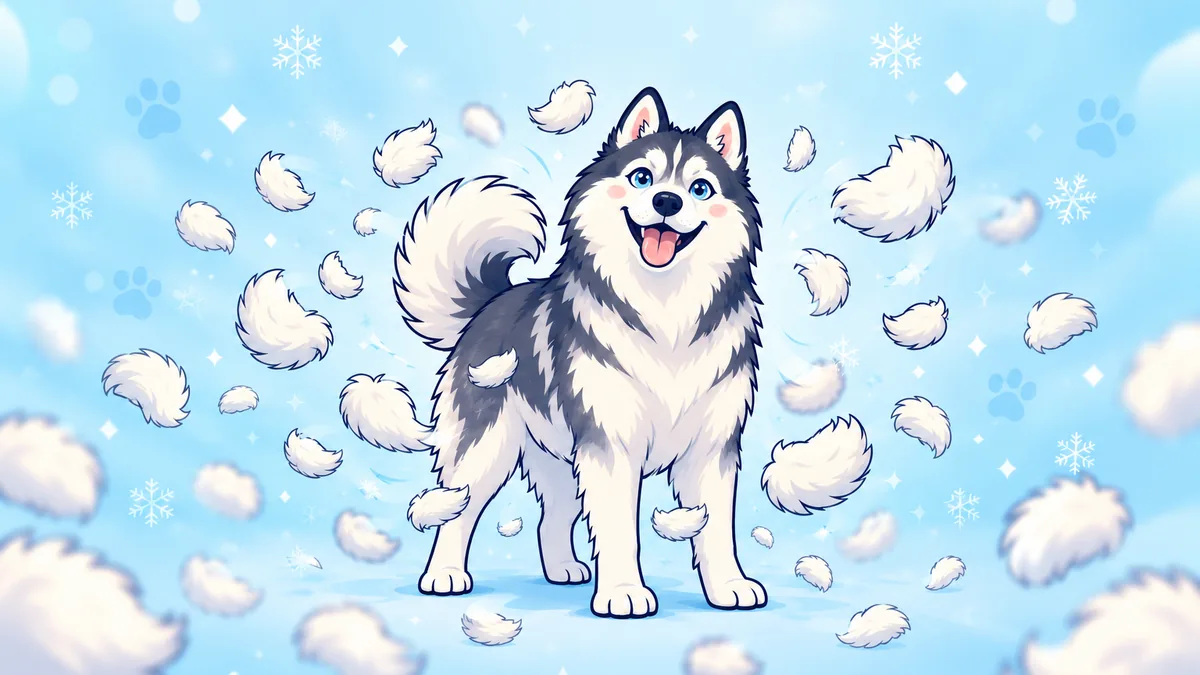
One week your dog looks perfectly normal. The next, fur is coming out in handfuls, there are tumbleweeds in the hallway, and your dog looks a bit like a half-plucked chicken. Welcome to coat blowing season.
What is "blowing coat"?
Double-coated dogs have a soft, dense undercoat beneath their longer guard hairs. A couple of times a year many of these dogs shed a large amount of that undercoat over a short period. It's called "blowing" the coat, and it's completely normal for breeds like Siberian Huskies, Alaskan Malamutes, Samoyeds, German Shepherds and many other spitz and working breeds.
When does it happen in Sydney?
Coat blowing is often linked to the seasons, so many owners notice the heaviest shedding around spring and autumn. Sydney's mild climate, and the fact that many dogs spend a lot of time indoors with heating or air-conditioning, means the pattern can be less predictable. Some dogs shed fairly steadily all year, with a couple of big blows along the way.
A blow usually lasts a few weeks. How long and how dramatic it is varies from dog to dog.
Signs your dog is blowing coat
- Fur coming out in clumps or tufts when you run your hand along the coat
- Fluffy patches sticking out of the topcoat
- A patchy, uneven look
- Far more fur than usual on floors, furniture and clothes
How to get through it
1. Brush daily
Short, daily sessions with an undercoat rake and a slicker brush beat one marathon session a week. Work in small sections and brush right down to the skin. Our step-by-step guide to brushing a double-coated dog shows you how.
2. Book a professional de-shed early
A bath loosens the dead undercoat, and a high-velocity dryer blows it out in a way that home brushing can't match. Booking a de-shed at the start of the blow can shorten the messy phase considerably.
3. Don't shave
It's tempting, but shaving a double coat can cause long-term coat problems and doesn't stop shedding. Read why double coats shouldn't be shaved.
4. Make home life easier
- Brush outside, or on an old sheet you can shake out.
- Keep a lint roller by the door and a good vacuum handy.
- Wash dog beds and blankets more often during the blow.
When shedding isn't just shedding
Normal coat blowing leaves the skin healthy underneath. See your vet if you notice bald patches, red, flaky or itchy skin, sores, a bad smell, or shedding that's excessive, constant or comes with other changes in your dog's health or behaviour.
Our salon in Brighton-Le-Sands specialises in arctic breeds and fluffy coats. When the fur starts flying, our de-shedding service is built for exactly this.
Need a hand with coat blowing season?
We're at 287 Bay Street, Brighton-Le-Sands, open 7 days, 9am to 4pm.
Quick answers
How long does a dog blow its coat for?
Usually a few weeks, though it varies from dog to dog. Regular brushing and a professional de-shed early in the blow can shorten the messy phase.
When do Huskies blow their coat in Australia?
Many owners notice the heaviest shedding around spring and autumn. In Sydney's mild climate, and with dogs spending time indoors, the pattern can be less predictable.
Is heavy shedding ever a sign of a health problem?
It can be. Bald patches, itchy or red skin, sores, or shedding that seems excessive or constant are worth a vet check.
